A patient wakes up at midnight with a throbbing knee. They grab their phone, type “orthopedic doctor near me,” and book the first appointment at a clinic with solid reviews and a visible Google listing. Your clinic might be two blocks away — but if it doesn’t appear in those results, you don’t exist to that patient.
That’s the harsh reality of local SEO for medical clinics in 2026. It’s not optional anymore. It’s Survival.
Over 77% of patients begin their healthcare journey through a search engine. They’re not asking friends or flipping through directories. They’re searching — right now, on their phone, with intent to book. If your clinic isn’t showing up in those searches, a competitor is getting all those appointments.
This guide lays out a proven, step-by-step framework for medical clinic SEO — from your Google Business Profile to schema markup, citation building, and patient reviews. No filler. Just what works.
Why Local SEO Is Non-Negotiable for Healthcare Providers
Let’s put some numbers on this.
- 77% of patients use search engines before booking an appointment, and 88% of local business searches on mobile devices result in action within 24 hours.
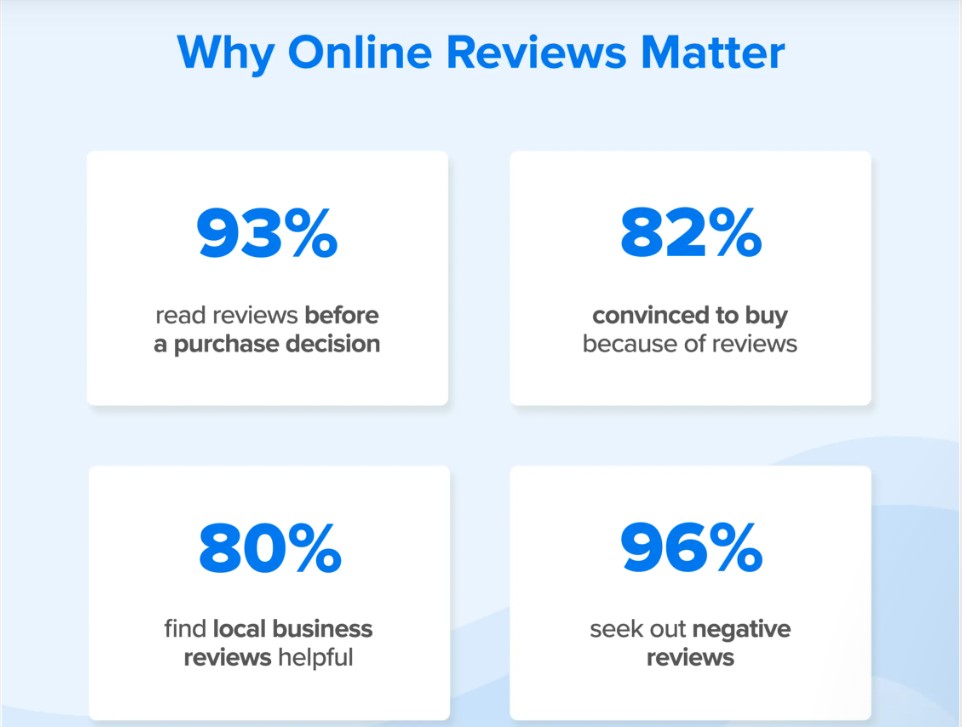
- According to Rater8’s 2025 Patient Survey, 84% of patients check online reviews before choosing a new healthcare provider.
- Clinics that optimized their mobile experience in 2025 saw a 50% increase in organic traffic from mobile devices.
Paid ads stop the moment you stop spending. Local search optimization compounds. Every optimized page, every genuine review, every consistent citation — it builds on itself. Think of your clinic’s online visibility like a savings account. The earlier you invest, the bigger the return.
And here’s something most clinic owners miss: Google has confirmed that local provider intent queries — like “dermatologist near me” or “family doctor near me” — receive zero AI Overviews. These searches remain traditional SEO territory, meaning your local rankings directly drive new patient acquisition. That’s your opportunity.

Dominate Google Business Profile Optimization
Your Google Business Profile (GBP) is the single most powerful tool in local SEO for doctors. Full stop.
What matters most in 2026 isn’t over-optimization — it’s precision and consistency. That means the correct primary medical category, an accurate clinic name without keyword stuffing, one verified location per physical practice, clear service listings, proper business hours, real clinic photos, and ongoing activity through posts and updates.
Here’s your GBP quick-start checklist:
| GBP Element | Best Practice |
| Business Name | Exact legal clinic name only — no keyword stuffing |
| Primary Category | Match your specialty precisely (e.g., “Pediatrician,” “Urgent Care Center”) |
| Address & Phone | Must match your website and all directories exactly |
| Business Hours | Include holiday hours and “open now” accuracy |
| Photos | Real interior, exterior, and staff photos — never stock images |
| Services | List every treatment and specialty you offer |
| GBP Posts | Weekly health tips, announcements, seasonal updates |
| Appointment Link | Direct booking link for zero-click conversions |
One thing most clinics overlook: Google allows users to suggest edits to your profile. A competitor — or even a well-meaning patient — can change your hours and you’d never know. Check your profile weekly. Stay vigilant.
Pro Insight: Clinics that actively manage their GBP see significantly higher Google Maps ranking and direction requests than those that set it up once and forget it. Treat it like your digital front desk.
NAP Consistency and Medical Citation Building
NAP stands for Name, Address, Phone Number. Every mention of your clinic across the web must be identical — same abbreviations, same suite format, same everything. “123 Main St, Suite 4” and “123 Main Street #4” are not the same to a search engine.
NAP consistency is the bedrock of citation-building in healthcare. Inconsistent data fragments your authority and confuses both patients and Google.
Where Your Clinic Must Be Listed
Healthcare directories carry the most weight in rankings for medical practices. Start here:
| Platform | Type | Priority |
| Google Business Profile | Search & Maps | 🔴 Critical |
| Healthgrades | Healthcare-specific | 🔴 Critical |
| Zocdoc | Appointment booking | 🔴 Critical |
| WebMD Doctor Directory | Healthcare-specific | 🔴 Critical |
| Yelp | General + reviews | 🟠 High |
| Vitals & RateMDs | Healthcare-specific | 🟠 High |
| Apple Maps & Bing Places | Search & Maps | 🟠 High |
| State Medical Board Directory | Authoritative | 🟡 Important |
| Chamber of Commerce | Local authority | 🟡 Important |
Submit your clinic’s information to local business directories, industry-specific healthcare directories, and social media platforms. Always provide accurate, complete information and follow submission guidelines for each source.
Audit existing medical citations using tools like BrightLocal or Whitespark. Finding and fixing inconsistencies takes a few hours — ignoring them costs you rankings for months.
On-Page SEO That Matches Real Patient Intent
Your website is your second-most powerful local search optimization asset. But only if it’s built around how patients actually search.
Patients don’t type like robots. They type:
- “Walk-in clinic near me open on Sunday.”
- “Best cardiologist in [city] accepting new patients.”
- “pediatrician near me that takes Medicaid”
These are high-intent keywords packed with geo-targeted, service + location, and condition-based keywords. Your pages need to reflect this language naturally.

Specialty and Service Pages That Win
Create dedicated pages for each specialized service and add local relevance to each. A single “Services” page buried in your navigation won’t cut it. Build individual treatment, condition, and location pages for each specialty you offer.
Each page should:
- Include the city modifier and neighborhood modifier naturally in the title tag, H1, and first paragraph
- Answer the top 3 questions that type of patient would ask
- Feature a clear call-to-action optimization element — a “Book Now” button or click-to-call
- Load in under 3 seconds on mobile
For multi-location practices, create a unique city landing page for each clinic location. Include local landmarks, nearby hospitals, and area-specific health information. Don’t duplicate content — Google penalizes thin, copy-pasted location pages heavily.
Mobile optimization isn’t a nice-to-have. Over 60% of healthcare searches happen on mobile devices, and Google uses mobile-first indexing — meaning it primarily ranks the mobile version of your site. Your site must load fast, have clickable phone numbers, and feature forms that work seamlessly on small screens.
Patient Reviews: Your Highest-Impact Ranking Signal
Reviews aren’t just reputation management. They’re a core local ranking signal — one of the most powerful ones Google uses.
Review velocity matters more than total review count. Natural medical language in reviews, recent feedback within the last 90 days, owner responses to all reviews, and sentiment consistency all influence your ranking and your patients’ decision-making.
How to collect more reviews — ethically and in HIPAA compliance:
- Send a post-visit SMS or email with a direct Google review link
- Place a QR code at checkout that goes straight to your review page
- Train front desk staff to remind patients after positive visits verbally
- Never offer incentives for reviews — Google bans this, and it’s an FTC violation
Responding to reviews matters just as much as getting them. Thank every positive reviewer by name. For negative ones, acknowledge the concern professionally and invite them to contact the clinic directly. Never confirm or deny patient details in public — that’s a HIPAA violation waiting to happen.
Real-world result: One Illinois dermatology group working with a dedicated healthcare SEO agency reported 243% more Google Business Profile views, 114% more local searches, and 82% more organic clicks year-over-year after implementing consistent review management and citation cleanup.
Schema Markup: The Technical Edge Most Clinics Ignore
Most clinics have no idea what schema markup is. That’s exactly why it’s your competitive edge.
Schema is structured code that makes your website machine-readable — telling Google, AI platforms, and voice assistants precisely who you are, what you treat, when you’re open, and who your doctors are.
Schema Types Every Medical Clinic Needs
Clean NAP data, hours, and geo data in your schema help your clinic rank accurately in local results and on maps. AI language models rely on structured facts — when your providers, specialties, and services are marked up, these systems can highlight your practice in responses to queries like “pediatrician near me open Saturday” or “cardiologist accepting new patients.”
| Schema Type | Purpose |
| MedicalClinic | Describes your clinic as a healthcare entity |
| LocalBusiness | Reinforces location signals for map and pack results |
| Physician | Individual doctor credentials and specialties |
| MedicalSpecialty | Links specialties to your clinic and provider pages |
| FAQPage | Captures voice search and featured snippet placements |
| MedicalWebPage | Strengthens E-E-A-T on treatment and condition pages |
HIPAA note: Schema markup generally doesn’t conflict with HIPAA data collection criteria. However, any third-party vendor handling your schema must sign a Business Associate Agreement (BAA) and refrain from including any patient health information in the markup. Stick to clinician credentials, office hours, specialties, and contact details.
Use JSON-LD format — it’s Google’s recommended format and the easiest to implement. Validate every implementation with Google’s Rich Results Test before going live.
Content Strategy and E-E-A-T for Healthcare Clinics
Google treats medical websites under YMYL (Your Money or Your Life) standards. That means your content faces a higher bar than most industries. Every page must demonstrate E-E-A-T — Experience, Expertise, Authoritativeness, and Trustworthiness.
What Content Should You Create?
Think about the questions your front desk gets every single day:
- “What should I expect at my first cardiology appointment?”
- “How do I know if my knee pain needs an MRI?”
- “Does your clinic accept Blue Cross Blue Shield?”
Those are your blog posts, your FAQ optimization targets, and your service page topics. Answer them clearly, concisely, and with clinical accuracy.
Every piece of clinical content must:
- Be written or reviewed by a licensed physician on your team
- Include the author’s credentials, NPI number, and a professional headshot
- Be updated at least annually for medical accuracy
- Link internally to relevant service pages and location pages
Clinics that publish helpful, accurate, and patient-focused content are more likely to rank higher on Google and attract informed, appointment-ready patients. Topical authority matters here. Covering a health topic comprehensively — from symptoms to diagnosis to treatment — signals to Google that your clinic is the go-to resource in your specialty area.
Admark Digital specializes in building exactly this type of healthcare content infrastructure. Their team understands YMYL compliance, semantic SEO, and how to map content clusters to patient search intent — turning your clinic’s website into a patient acquisition engine, not just a digital business card.

Voice Search, AI Search, and the Local “Near Me” Opportunity
Voice search is how patients find urgent care. Someone driving home asks their phone: “Is there a walk-in clinic near me open right now?” If your clinic isn’t optimized for voice search optimization, you’re invisible to that query.
Local and provider-intent queries remain entirely in traditional SEO territory — Google removed AI Overviews from searches like “dermatologist near me” and “best family doctor near me”. That means strong local rankings directly translate to bookings, without AI interference.
To capture near me searches and voice queries:
- Add a robust FAQ section on every service page with questions phrased conversationally
- Use long-tail keywords that mirror natural speech patterns
- Ensure your GBP has accurate hours marked as “open now” when applicable
- Structure your homepage and location pages to answer “who, what, where, when” directly in the first 60 words
Tracking Your Local SEO Performance
You can’t improve what you don’t measure. Rank tracking and analytics tracking aren’t optional for serious clinics.
Key metrics to monitor monthly:
| Metric | Tool |
| GBP views, calls, direction requests | Google Business Profile Insights |
| Organic traffic by location | Google Analytics GA4 |
| Local keyword rankings | Google Search Console + BrightLocal |
| Appointment booking conversions | GA4 Goals or CallRail |
| Geo-grid ranking visibility | BrightLocal, Whitespark |
| Bounce rate + dwell time | GA4 Behavior Reports |
Set a monthly 30-minute review cadence. A dropped ranking you catch in week three is recoverable. One you catch in month six costs you dozens of patients.
Ready to Dominate Local Search? Partner With Admark Digital
Local SEO for medical clinics isn’t a one-time project. It’s an ongoing system — one that compounds over time and builds sustainable patient acquisition. Cover the eight pillars covered in this guide: GBP optimization, NAP consistency, on-page SEO, patient reviews, schema markup, content strategy, voice search, and performance tracking — and you’ll outrank clinics twice your size.
Admark Digital helps medical clinics build exactly this kind of durable local presence. From Google Business Profile optimization and medical citation building to healthcare content strategy and technical structured data implementation, their team handles the full stack. So you stay focused on patient care.
👉 Contact Admark Digital today to get a free local SEO audit for your clinic and see exactly where you’re leaving patients — and revenue — on the table.
Frequently Asked Questions
What is local SEO for medical clinics? It’s the process of optimizing your clinic’s online presence to appear in local search results when nearby patients search for healthcare services — on Google Maps, in the local pack, and in organic results.
How long does local SEO take to show results? Most clinics start seeing measurable improvements in 3–6 months. Competitive markets or new practices may take longer, but the results are durable.
Is local SEO different for multi-location medical practices? Yes. Multi-location practices need a separate GBP, a unique location page, and an individual citation profile for each physical clinic location.
How do patient reviews affect my clinic’s Google ranking? Reviews influence two of Google’s three local ranking factors — prominence and relevance. Velocity, recency, and response rate all matter alongside total count.
Do I need schema markup if I already have a Google Business Profile? Absolutely. Schema markup and your GBP serve different purposes. Schema tells search engines what your website pages mean. Your GBP tells Google where you are. Together, they’re significantly more powerful than either one alone.
Ready to stop losing patients to competitors who simply show up first? Schedule your free local SEO strategy session with Admark Digital and start turning searches into booked appointments.